
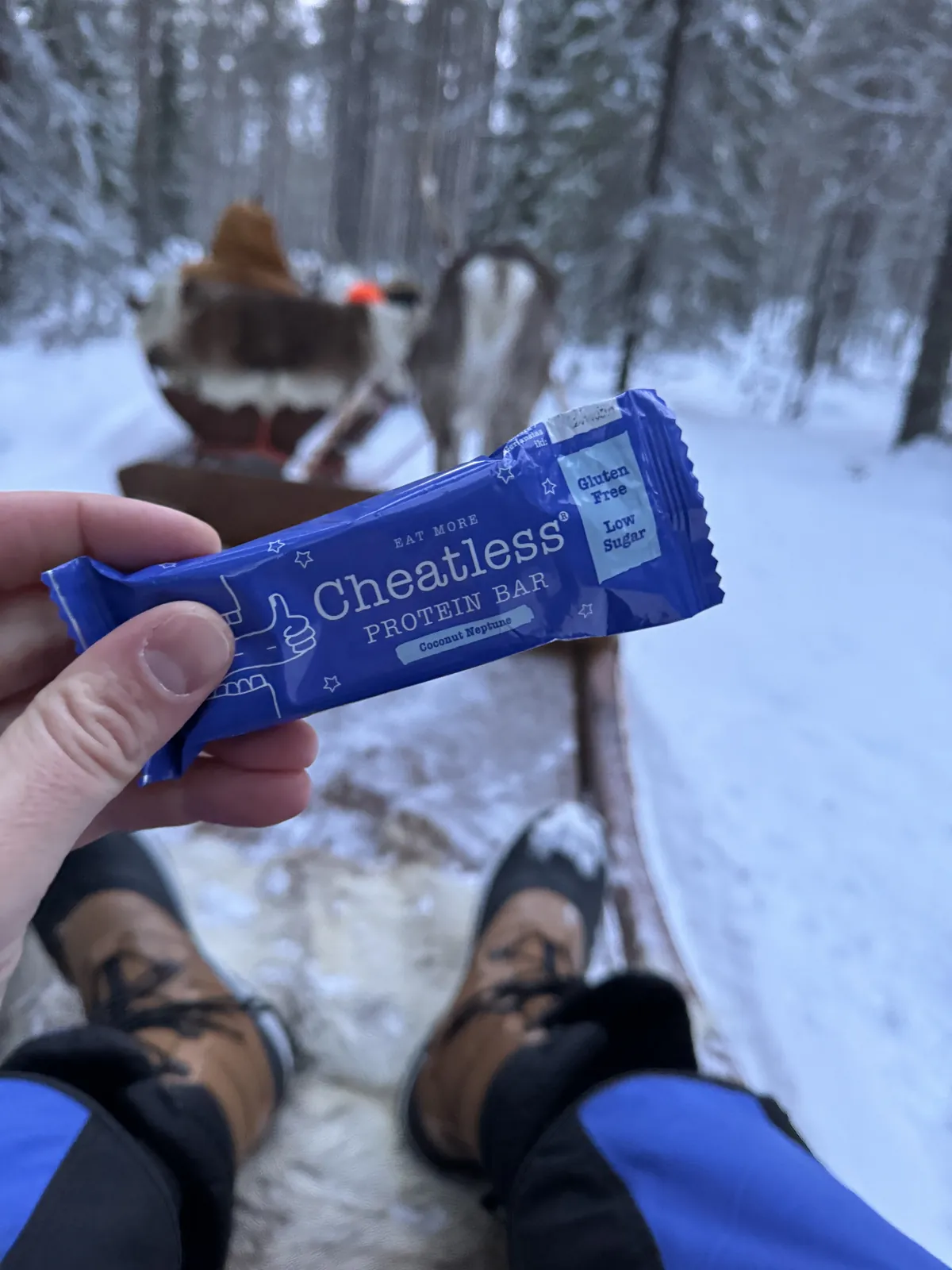
 On the go
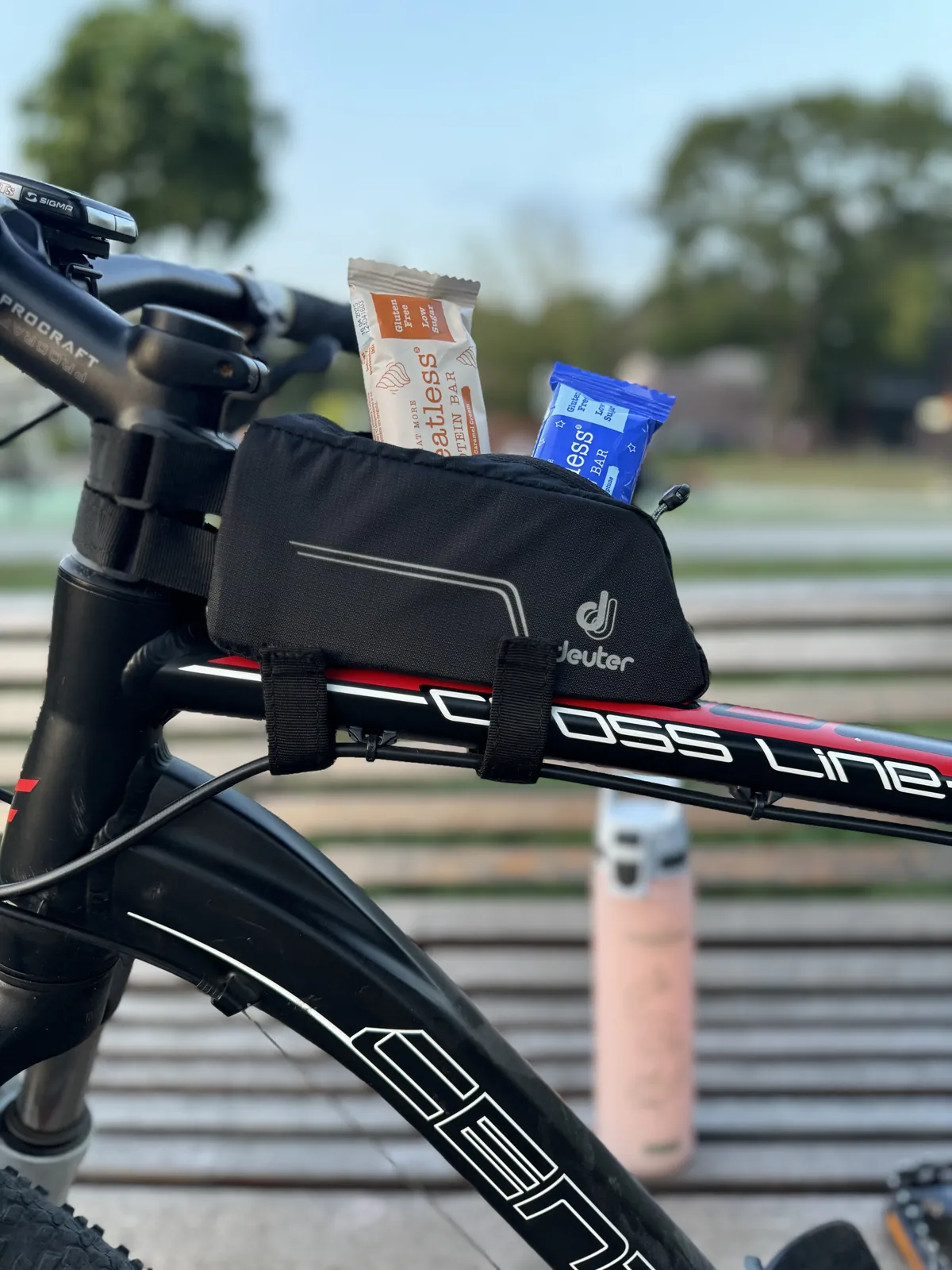 On a bike
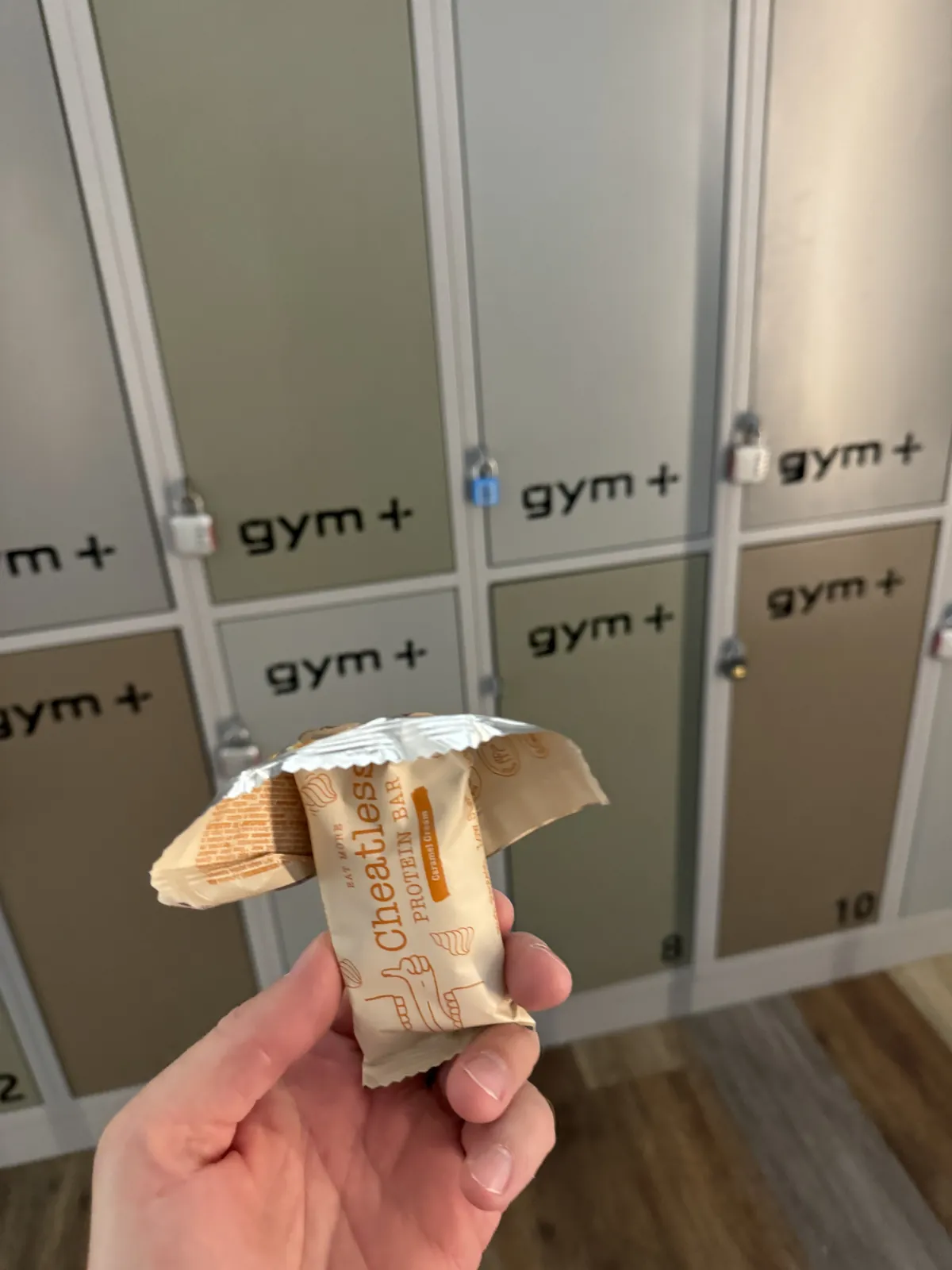 After a workout
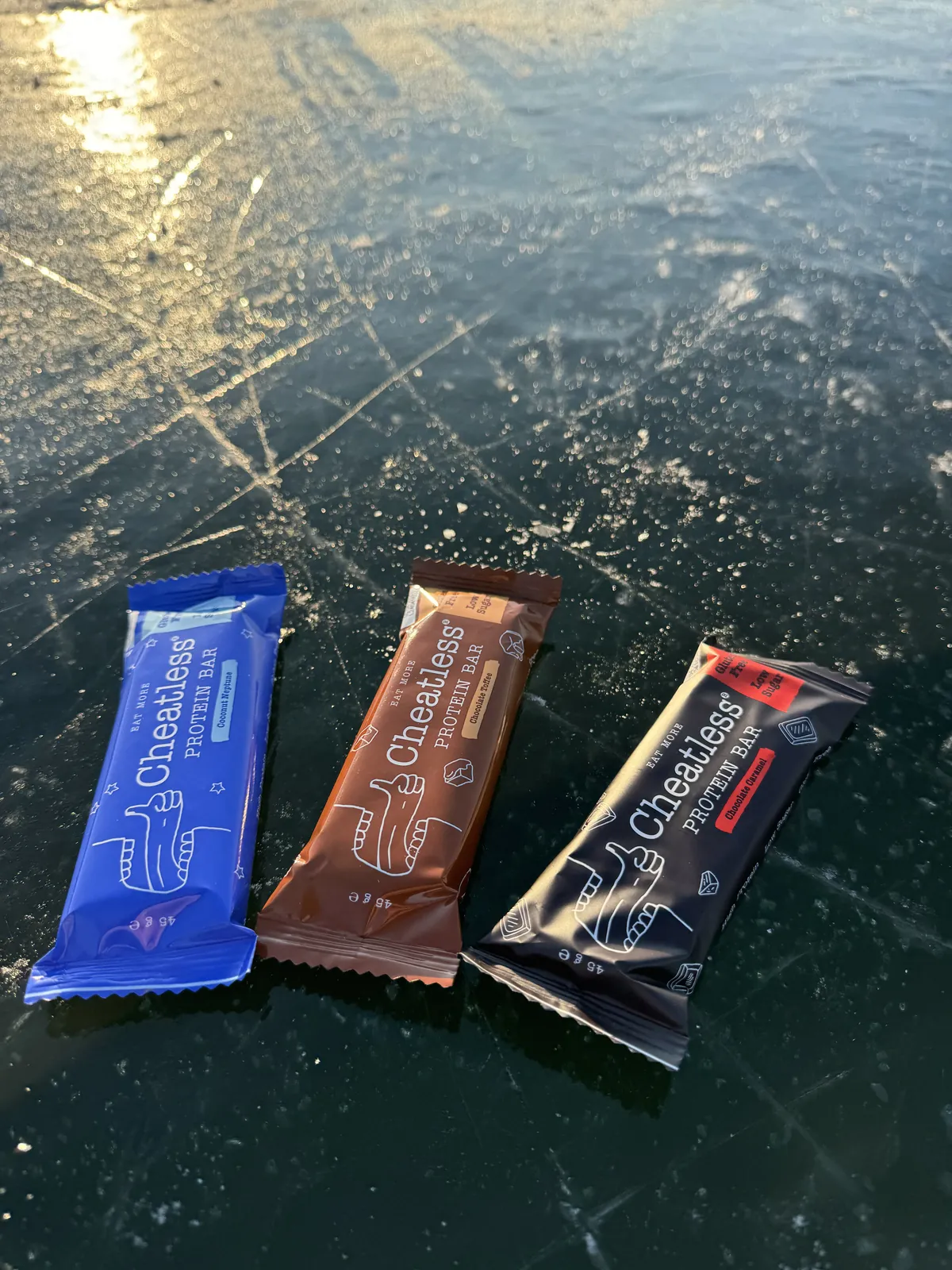 As a gift
A protein supplement or snack
A food with more protein than usual: powders (whey, casein or plant protein), bars, drinks. You can see what protein Cheatless uses below.
Short and without myths: recommendations from EFSA and international sports nutrition and geriatrics experts, not from advertising.
Values per bar, from the nutrition facts tables.
| Flavor | Protein | Protein % | Sugar | Energy | Weight |
|---|---|---|---|---|---|
| Coconut Neptune | 14 g | 30% | 1.4 g | 174 kcal | 48 g |
| Caramel Cream | 15 g | 33% | 2.2 g | 153 kcal | 48 g |
| Chocolate Caramel | 14 g | 31% | 2.1 g | 157 kcal | 48 g |
| Chocolate Toffee | 12 g | 28% | 2.1 g | 156 kcal | 48 g |
| RAW Cocoa & Sea Salt | 12 g | 24% | 15 g | 218 kcal | 56 g |
Prices include VAT. The full nutrition facts and ingredients list is on the product page. Product sheet (for printing).
What a protein product is and which protein Cheatless uses.
A food with more protein than usual: powders (whey, casein or plant protein), bars, drinks. You can see what protein Cheatless uses below.
Percentages are the share of the ingredients per pack. Milk, soy and eggs are allergens, and collagen peptides are of animal origin: the products are not suitable for vegans or for people with these allergies. The ingredients listed on the pack apply.
Calculate your daily amount from the "protein" row in the nutrition facts table. How much protein you need per day →
We compared Cheatless with 5 protein bars and 2 chocolate bars, using the data from their labels. Full comparison and sources →
Enter your weight and choose your situation. The result is a general guideline, not a medical recommendation.
Protein is a building material for muscles, skin, enzymes and hormones, and 1 g provides 4 kcal of energy. Under the EU-approved claims (Regulation 432/2012), protein helps increase muscle mass and maintain it. However, muscles are built by training, and protein provides the necessary building blocks.
ISSN suggests about 0.25 g/kg per meal (usually 20–40 g), spread roughly every 3–4 hours. The total daily amount matters most: exact meal timing is less important.
Approximately: chicken breast about 23 g/100 g, cottage cheese 11–18 g/100 g, an egg about 6 g, cooked lentils about 9 g/100 g. A bar or a shake is a good addition on days when you eat less protein. Cheatless Coconut Neptune (45 g): 14 g protein, 174 kcal, gluten-free.
Weight is determined by the overall calorie balance. However, when cutting calories, a higher protein intake helps preserve muscle mass: ISSN notes that people doing strength training may need 2.3–3.1 g/kg during a calorie deficit. Protein is also often associated with a longer feeling of fullness.
You can reach the target without meat: eggs, dairy, legumes, tofu, nuts. For vegans it is important to combine several plant sources. For people over 65, PROT-AGE recommends at least 1.0–1.2 g/kg per day and physical activity to maintain muscle.
Dietitians usually say: a convenient addition on days when protein is lacking, but not the main source of food. Choose based on the protein, sugar, fiber and polyol content on the label.
Yes. "Protein" is the Lithuanian word for protein, and "proteinas" is a loanword from English that is mostly used in sports nutrition and product names (protein powder, protein bar). Nutrition tables always say "baltymai".
For adults, EFSA recommends at least 0.83 g of protein per kilogram of body weight per day. That is 62 g for a person weighing 75 kg. In Lithuanian guidelines, protein makes up 10–20% of daily energy (age 65+: 15–20%). This is the general guideline for a healthy, low-activity adult.
The International Society of Sports Nutrition (ISSN) states that 1.4–2.0 g/kg per day is enough for most active people to build or maintain muscle mass. The lower end of this range suits endurance athletes, and the upper end suits strength and power sports. That is 105–150 g for a person weighing 75 kg.
The PROT-AGE expert group recommends at least 1.0–1.2 g/kg per day for older adults, closer to the upper end for active people, and up to 1.2–1.5 g/kg for those with acute or chronic illness. With severe kidney disease the situation is different, so a doctor's consultation is essential.
ISSN suggests about 0.25 g/kg per meal, usually 20–40 g of high-quality protein, spread out roughly every 3–4 hours during the day. The total daily amount matters most, and the exact timing of meals is secondary.
Protein is a building material for muscles, skin, enzymes and hormones, so it is needed every day. According to EU-approved claims, protein helps increase muscle mass and maintain it. These claims are permitted for foods that are at least a source of protein.
No. Protein provides the building materials, while strength training gives muscles the signal to grow. Without exercise, extra protein simply becomes part of your daily energy.
By itself it does not reduce weight. When cutting calories, a higher protein intake helps preserve muscle mass: ISSN notes that people doing strength training may need 2.3–3.1 g/kg during a calorie deficit. It is often noticed that protein keeps you feeling full longer, but this depends on the person and the whole diet.
EFSA has not set an upper safe limit for protein because there is not enough data. A review by the Swiss Federal Food Safety Office considers long-term intake of up to 2 g/kg per day safe for a healthy adult. Above this level, long-term studies are lacking. If you have kidney disease or other health issues, consult a doctor.
In healthy people, research reviews have found no negative effects on the kidneys or bones at up to 2 g/kg per day (ISSN: in a balanced diet, protein does not harm kidney function or bone metabolism in healthy active people). For people with kidney disease, protein intake must be determined by a doctor.
Yes, most people reach the recommendation with an ordinary diet. According to EFSA data, average protein intake in Europe meets or exceeds the recommendations. A bar or a shake is a convenient addition on days when you eat less protein.
Animal products (meat, fish, eggs, dairy) contain all essential amino acids. The amino acid composition of plant sources (legumes, tofu, grains, nuts) varies, so a varied plant-based diet or combining sources is essential.
In the opinion of ISSN, exact timing is less important than the total daily amount and an even distribution across the day. Eating protein after a workout is convenient, but you do not have to do it within a few minutes.
Approximately: chicken breast about 23 g/100 g, fish 18–25 g/100 g, cottage cheese 11–18 g/100 g, Greek yogurt about 9–10 g/100 g, one egg about 6 g, cooked lentils about 9 g/100 g, tofu 8–12 g/100 g. Check the exact numbers on the pack.
For children and teenagers, EFSA specifies 0.83–1.31 g/kg per day, depending on age. Supplements and "sports" products are usually unnecessary for children and teenagers: a varied diet is enough. For individual needs, ask a doctor or nutritionist.
EFSA specifies an additional protein need during pregnancy and breastfeeding. Discuss the exact amount and the suitability of any products with a doctor or midwife.
No, it is a snack. A Coconut Neptune bar (45 g) has 14 g of protein and 174 kcal, so under EU rules it can be called a high-protein product (protein provides more than 20% of the energy). A meal should be more varied and include fiber, vegetables and fats.
There is no single number: a bar should fit into your overall daily diet and not be your main protein source. The ingredients include polyols (e.g., maltitol, erythritol), larger amounts of which can cause diarrhea, so start with one bar.
The bars contain milk protein (the RAW bar contains egg white protein), so they are not suitable for vegans. You can find the ingredients and allergens on each product page.
Under EU rules, "source of protein" may be stated when protein provides at least 12% of the product's energy, and "high protein" when it provides at least 20%. Also read the nutrition facts table.
No. ISSN states that 1.4–2.0 g/kg per day is sufficient for most active people to build or maintain muscle mass. There is usually no point in eating more, and muscle growth depends mostly on training, total calories and sleep.
Eggs, dairy (cottage cheese, Greek yogurt), legumes (lentils, chickpeas, beans), tofu, nuts and seeds help. Vegans should combine several plant sources during the day and, if reaching the target is difficult, consult a nutritionist.
With age, muscle mass tends to decrease. PROT-AGE experts advise older adults to eat at least 1.0–1.2 g/kg of protein per day, spread across meals, and to stay physically active. In case of illness or significant weight loss, a doctor's consultation is needed.
Dietitians' opinions vary. It is usually said that a bar is a convenient backup option when traveling or on busy days, but whole foods (yogurt, eggs, cottage cheese, legumes) provide a wider range of nutrients. A bar is worth choosing as an addition, not as your everyday main snack.
Look at: the amount of protein per serving (dietitians often suggest at least 10 g, and 15–20 g for active people), sugar, fiber, calories and the amount of polyols (sweeteners). A shorter and clearer ingredient list is usually better.
By itself, no: weight is determined by the overall calorie balance. When cutting calories, a higher protein intake helps preserve muscle mass, and protein is often associated with a longer feeling of fullness. Remember that bars also contain calories (Cheatless Coconut Neptune: 174 kcal).
The information is general and is not medical advice. If you have medical conditions, are pregnant or breastfeeding, or have questions about children's nutrition, consult a doctor or nutritionist.